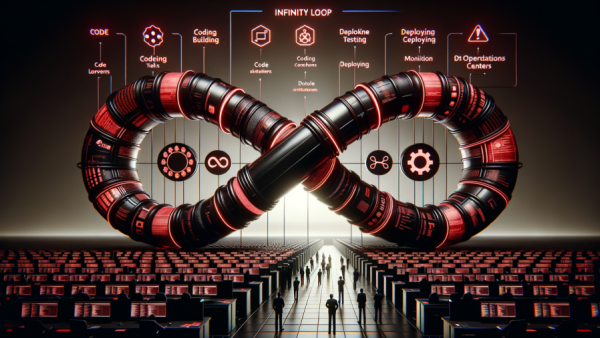

In the dynamic landscape of DevOps and AIOps, the security of CI/CD pipelines has become a focal point due to emerging threats like TeamPCP. This recent attack underscores the vulnerabilities that can be exploited in software delivery processes, necessitating a robust security strategy to safeguard your software supply chain.
CI/CD pipelines, pivotal in streamlining software development and deployment, are increasingly targeted by cyber threats. These pipelines, if not secured, can serve as gateways for attackers to inject malicious code into software products, compromising both security and integrity. The TeamPCP threat has brought this issue to the forefront, urging teams to reassess their security measures.
Understanding the TeamPCP Threat
The TeamPCP attack is an illustrative example of how adversaries can exploit weaknesses within CI/CD pipelines. This threat involves sophisticated strategies that leverage vulnerabilities in pipeline configurations and dependencies, resulting in unauthorized access and control over the development process.
Research suggests that the TeamPCP threat targets various stages of the CI/CD pipeline, aiming to infiltrate through dependencies or misconfigurations. By doing so, attackers can potentially inject malicious code that goes undetected into production, leading to severe breaches.
Recognizing such vulnerabilities is the first step toward fortifying your CI/CD pipelines. It’s essential to understand the attack vectors and entry points to develop effective countermeasures.
Key Security Measures for Protecting CI/CD Pipelines
Securing CI/CD pipelines against threats like TeamPCP requires a comprehensive approach. Here are some actionable security measures:
Implement Strong Access Controls
Access control is a critical component of CI/CD pipeline security. Many practitioners find that limiting access to essential personnel and employing multi-factor authentication can significantly reduce the risk of unauthorized access. Ensure that roles and permissions are clearly defined and regularly reviewed.
Regularly Audit and Monitor Pipelines
Continuous auditing and monitoring are essential to detect anomalies and unauthorized changes. Evidence indicates that utilizing automated tools can help in maintaining oversight over the entire pipeline, allowing teams to swiftly identify and mitigate potential threats.
Secure Dependencies and Integrations
Dependencies and third-party integrations can be potential weak points. It’s advisable to employ dependency management tools that verify the integrity of components before they are integrated into the pipeline. Regular updates and vulnerability scans can mitigate risks associated with outdated or compromised dependencies.
Best Practices for Enhanced Pipeline Security
Adopting best practices can further enhance the security posture of your CI/CD pipelines. These include:
Isolation of Build Environments
Isolating build environments helps contain potential breaches. By using containerization and virtualization, teams can ensure that even if one component is compromised, it does not affect the entire pipeline.
Implementing Code Signing
Code signing is a preventive measure that authenticates the source and integrity of the code. This practice helps in ensuring that the code has not been tampered with during the build process.
Conducting Security Training and Awareness
Regular security training for DevOps teams can create a culture of security awareness. Teams equipped with the latest knowledge about potential threats and security protocols are better positioned to prevent and respond to incidents effectively.
Conclusion: Fortifying CI/CD Pipelines Against Emerging Threats
As the threat landscape evolves, securing CI/CD pipelines against sophisticated attacks like TeamPCP becomes increasingly vital. By implementing stringent access controls, continuous monitoring, and securing integrations, organizations can create resilient pipelines that withstand potential threats.
Moreover, adhering to best practices such as environment isolation, code signing, and security training further fortifies these pipelines, ensuring that the software supply chain remains robust and secure.
Written with AI research assistance, reviewed by our editorial team.