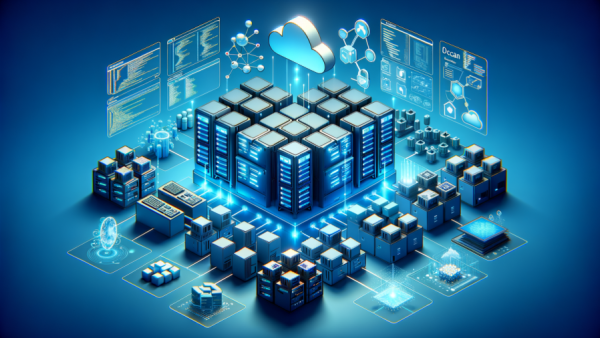

In the rapidly evolving landscape of technology, Kubernetes has emerged as a pivotal platform for managing AI workloads. Its ability to orchestrate containerized applications at scale has made it a favorite among platform engineers and DevOps teams. However, mastering Kubernetes for AI workloads involves understanding specific best practices and avoiding common pitfalls. This guide aims to provide a comprehensive overview of how to effectively architect and execute AI workloads on Kubernetes.
Understanding Kubernetes for AI Workloads
Kubernetes, often abbreviated as K8s, is an open-source platform designed to automate deploying, scaling, and managing containerized applications. For AI workloads, Kubernetes offers flexibility and scalability, allowing teams to run complex machine learning models and data processing tasks efficiently. It supports a variety of AI frameworks, making it a versatile choice for diverse AI applications.
However, running AI workloads on Kubernetes requires careful planning and execution. The nature of AI workloads, which often involve heavy computational tasks and large datasets, necessitates a tailored approach to resource allocation and management. Understanding the architecture of Kubernetes and how it can be optimized for AI is crucial for success.
Best Practices for Running AI Workloads
Efficient Resource Allocation
AI workloads are resource-intensive, which makes efficient resource allocation critical. Kubernetes provides resource requests and limits to manage CPU and memory usage effectively. Many practitioners find that setting these parameters helps prevent resource contention, ensuring that AI workloads receive the necessary resources without overwhelming the cluster.
Scalability and Autoscaling
One of Kubernetes’ strengths is its ability to scale applications automatically. For AI workloads, horizontal pod autoscaling (HPA) is a valuable feature that adjusts the number of running pods based on CPU utilization or other select metrics. Evidence suggests that implementing HPA can lead to more efficient use of resources and improved workload performance.
Data Management and Storage
AI workloads often involve large datasets, making data management a critical aspect. Kubernetes supports persistent storage solutions like Persistent Volumes (PV) and Persistent Volume Claims (PVC), which allow for the decoupling of storage from pod lifecycles. This separation ensures data persistence even as applications scale up or down.
Common Pitfalls to Avoid
Overlooking Security Considerations
Security is a paramount concern for any workload, especially for AI applications handling sensitive data. Many practitioners find that neglecting security best practices, such as implementing role-based access control (RBAC) and network policies, can leave systems vulnerable to attacks. Prioritizing a secure configuration from the start is essential to safeguarding AI workloads.
Ignoring Monitoring and Observability
Effective monitoring and observability are key to maintaining optimal performance of AI workloads on Kubernetes. Tools such as Prometheus and Grafana can provide insights into application performance and resource utilization. Research suggests that setting up comprehensive monitoring helps in early detection of issues, allowing for prompt resolution and minimizing downtime.
Underestimating Complexity
Kubernetes is a powerful tool, but its complexity can be a double-edged sword. Many teams fall into the trap of underestimating the learning curve associated with deploying and managing AI workloads on Kubernetes. Investing time in training and understanding Kubernetes’ intricacies is crucial to avoid misconfigurations and inefficiencies.
Conclusion
Mastering Kubernetes for AI workloads demands a thoughtful approach that balances best practices with awareness of potential pitfalls. By focusing on efficient resource allocation, leveraging autoscaling capabilities, and implementing robust security measures, teams can harness the full potential of Kubernetes to run AI applications effectively. Avoiding common mistakes, such as neglecting monitoring and underestimating complexity, will further ensure successful workload management. As AI continues to grow in importance, Kubernetes stands as a vital tool in the technological arsenal, enabling innovation and scalability.
Written with AI research assistance, reviewed by our editorial team.