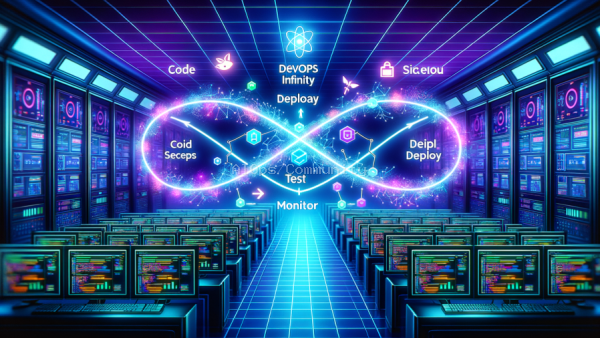

As technological advancements continue to reshape the landscape of IT operations, the integration of DevSecOps into AIOps is becoming increasingly pivotal. This evolution signifies a shift from merely integrating security within Continuous Integration and Continuous Deployment (CI/CD) pipelines to embracing a more comprehensive, strategic approach to security within artificial intelligence operations. This article explores how DevSecOps is evolving in the AIOps realm and the implications for security engineers, DevOps practitioners, and IT strategists.
Understanding the Evolution of DevSecOps in AIOps
The traditional role of DevSecOps has been to ensure that security is a foundational aspect of the development and operational lifecycle. This has traditionally focused on CI/CD pipelines, where security checks are integrated into the development process to identify vulnerabilities early. However, as AIOps becomes more prevalent, the role of DevSecOps is expanding. Research suggests that this evolution is driven by the need for more sophisticated security strategies that address the complexities introduced by AI and machine learning technologies.
AIOps, which integrates artificial intelligence to enhance IT operations, presents unique challenges and opportunities for security. The dynamic and adaptive nature of AI demands a security framework that is equally flexible and robust. DevSecOps is now tasked with not only protecting traditional application environments but also safeguarding AI algorithms, data processes, and deployment models from emerging threats.
Moreover, many practitioners find that incorporating AI into security operations introduces new variables. These include managing data integrity, ensuring the confidentiality of AI models, and protecting against adversarial attacks. As such, the evolution of DevSecOps in AIOps is about developing comprehensive strategies that address these challenges while leveraging the capabilities of AI to enhance security measures.
Holistic Security Strategies in AIOps
Beyond the conventional CI/CD pipelines, holistic security strategies in AIOps require a multi-faceted approach. Evidence indicates that organizations adopting these strategies are focusing on several key areas to ensure robust security in AI-driven environments.
- Data Security: Protecting the data that fuels AI models is paramount. This involves implementing encryption, access controls, and data masking techniques to safeguard sensitive information from unauthorized access.
- Model Security: AI models, being central to AIOps, must be protected against theft and tampering. Techniques such as model watermarking and robust access management are being employed to secure these assets.
- Threat Detection and Response: Utilizing AI for threat detection can enhance the ability to identify and respond to security incidents in real-time. Machine learning algorithms can analyze vast datasets to detect anomalies and potential threats that might be missed by traditional methods.
These strategies emphasize the need for a proactive security posture that anticipates and mitigates risks before they manifest. By adopting a holistic approach, organizations can better protect their AI-driven operations against a wide range of security threats.
Implementing Effective DevSecOps Practices in AIOps
To effectively integrate DevSecOps into AIOps, organizations must adopt practices that align with their specific operational needs and security goals. One best practice is to foster a culture of collaboration between development, security, and operations teams. This cultural shift encourages shared responsibility for security across all phases of the AI lifecycle.
Another key practice is the automation of security processes. Automated tools can streamline security checks, vulnerability assessments, and compliance monitoring, reducing the burden on security teams and allowing them to focus on strategic security planning.
Lastly, continuous learning and adaptation are critical. As AI technologies evolve, so too must the security measures that protect them. Regular training and upskilling of security teams ensure they remain equipped to tackle new challenges and leverage the latest security innovations.
Conclusion: The Future of DevSecOps in AIOps
The integration of DevSecOps into AIOps represents a significant step forward in enhancing the security of AI-driven operations. By moving beyond traditional CI/CD pipelines and embracing holistic security strategies, organizations can better safeguard their AI assets and operations against an ever-evolving threat landscape. As the field continues to evolve, security engineers, DevOps practitioners, and IT strategists will play a crucial role in shaping the future of secure AI operations.
In conclusion, the evolution of DevSecOps in AIOps is not just about integrating security into existing processes but expanding the scope of security to encompass all aspects of AI operations. This requires a strategic, collaborative approach that leverages the strengths of AI to enhance security measures, ultimately leading to more resilient and secure AI-driven environments.
Written with AI research assistance, reviewed by our editorial team.