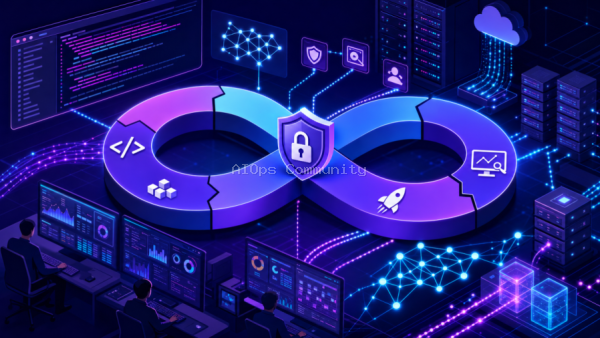

As the digital landscape evolves, the integration of AI into DevSecOps pipelines has become a crucial strategy for organizations aiming to enhance security and efficiency. This guide provides a comprehensive blueprint for integrating DevSecOps within AIOps frameworks, ensuring robust security and compliance in dynamic environments.
DevSecOps, an evolution of the traditional DevOps model, emphasizes the incorporation of security practices at every stage of the software development lifecycle. Meanwhile, AIOps leverages artificial intelligence to automate and optimize IT operations. Combining these approaches can significantly enhance the security, speed, and reliability of development processes.
Understanding the DevSecOps and AIOps Synergy
The first step toward mastering DevSecOps in AIOps is understanding how these paradigms complement each other. DevSecOps integrates security into every phase of development, from inception to deployment. This approach ensures vulnerabilities are addressed early, reducing risks and costs associated with later-stage fixes.
AIOps, on the other hand, employs AI and machine learning to automate routine tasks, analyze vast amounts of data, and predict potential issues before they occur. This capability is invaluable in a DevSecOps context, where rapid feedback and real-time insights are critical for maintaining security without compromising speed.
By merging these methodologies, organizations can create a seamless pipeline that not only prioritizes security but also benefits from AI-driven efficiencies, ultimately leading to faster and more secure software releases.
Blueprint for Secure DevSecOps Pipelines in AIOps
Implementing a secure DevSecOps pipeline within an AIOps framework requires a strategic approach. Below is a step-by-step blueprint to guide practitioners:
1. Establish a Security-First Culture
Building a secure DevSecOps pipeline begins with fostering a security-first mindset across the organization. This involves training teams in security best practices and ensuring that security is a shared responsibility. Regular workshops and simulated attacks can help reinforce this culture.
2. Integrate AI-Driven Security Tools
Leverage AI-driven security tools to automate threat detection and response. Tools that use machine learning can identify patterns and anomalies that may indicate security breaches, allowing for proactive measures to be taken. These tools can be integrated into every stage of the pipeline to ensure continuous monitoring.
3. Continuous Compliance Monitoring
Compliance with industry regulations and standards is a critical aspect of security. Implement continuous compliance monitoring to ensure that your pipeline adheres to the necessary requirements. AI can assist in automating compliance checks, reducing the burden on human resources and minimizing the risk of non-compliance.
Best Practices for Enhanced Security
While the blueprint provides a foundational framework, adhering to best practices can further enhance security:
- Automate Where Possible: Use AI to automate security testing and monitoring, reducing human error and increasing efficiency.
- Adopt a Zero Trust Model: Implement a zero trust model where every request is authenticated and verified, minimizing the risk of unauthorized access.
- Regularly Update Security Protocols: Ensure that security protocols and tools are regularly updated to protect against emerging threats.
Common Pitfalls and How to Avoid Them
Despite its advantages, integrating DevSecOps into AIOps is not without challenges. Being aware of common pitfalls can help in avoiding them:
A key mistake is underestimating the complexity of integrating AI tools with existing systems. To mitigate this, conduct thorough testing in a controlled environment before full-scale deployment.
Another common issue is insufficient training for team members. Investing in training programs and keeping teams updated with the latest security trends and technologies is essential for successful implementation.
Lastly, neglecting the importance of cultural alignment can lead to resistance. Ensure that all stakeholders are aligned on the objectives and benefits of the integration to smooth the transition.
Conclusion
Mastering DevSecOps in AIOps requires a strategic approach that integrates security with AI-driven processes. By following this blueprint, organizations can build secure pipelines that are efficient, compliant, and resilient against threats. As technology continues to evolve, staying ahead of security challenges will be crucial for maintaining a competitive edge.
Written with AI research assistance, reviewed by our editorial team.